Picture a place where homes, churches, and even hotels sit beneath the earth. This isn’t a story from a novel. It’s Coober Pedy, a small town about 526 miles north of Adelaide, deep in the Australian outback. Approximately sixty percent of its 2,500 residents reside underground in sandstone chambers known as dugout homes. The town’s name comes from the Aboriginal term kupa-piti, meaning “white man’s hole.” What began as an attempt to survive brutal desert heat slowly turned into a lasting way of life.
Why Living Underground Makes Sense Here
Summers in Coober Pedy regularly exceed 113 degrees Fahrenheit, and some days reach 125 degrees. Rain is rare, and the air is thick with red dust. When opal miners arrived in 1915, they quickly discovered that building on the surface wasn’t practical.
The solution came from their own trade. Using mining tools, they dug into the hillsides to create homes safe from the sun.
Practical reasons for living underground include:
- Consistent comfort: Dugout homes maintain a steady temperature of around 75 degrees year-round, eliminating the need for air conditioning or heating.
- Shelter from dust storms: Underground walls protect against fierce winds that regularly cover the landscape in sand.
- Lower upkeep costs: The initial expense matches surface housing, but the savings on climate control are substantial.
Above ground, Coober Pedy looks otherworldly. Thin chimneys poke through the sand to release air from below. Warning signs mark open mine shafts. To outsiders, it can resemble a film set for a post-apocalyptic story, though locals simply call it home.
Read More: Weird Things That Happened When the World Lost Internet
What Daily Life Looks Like Below Ground
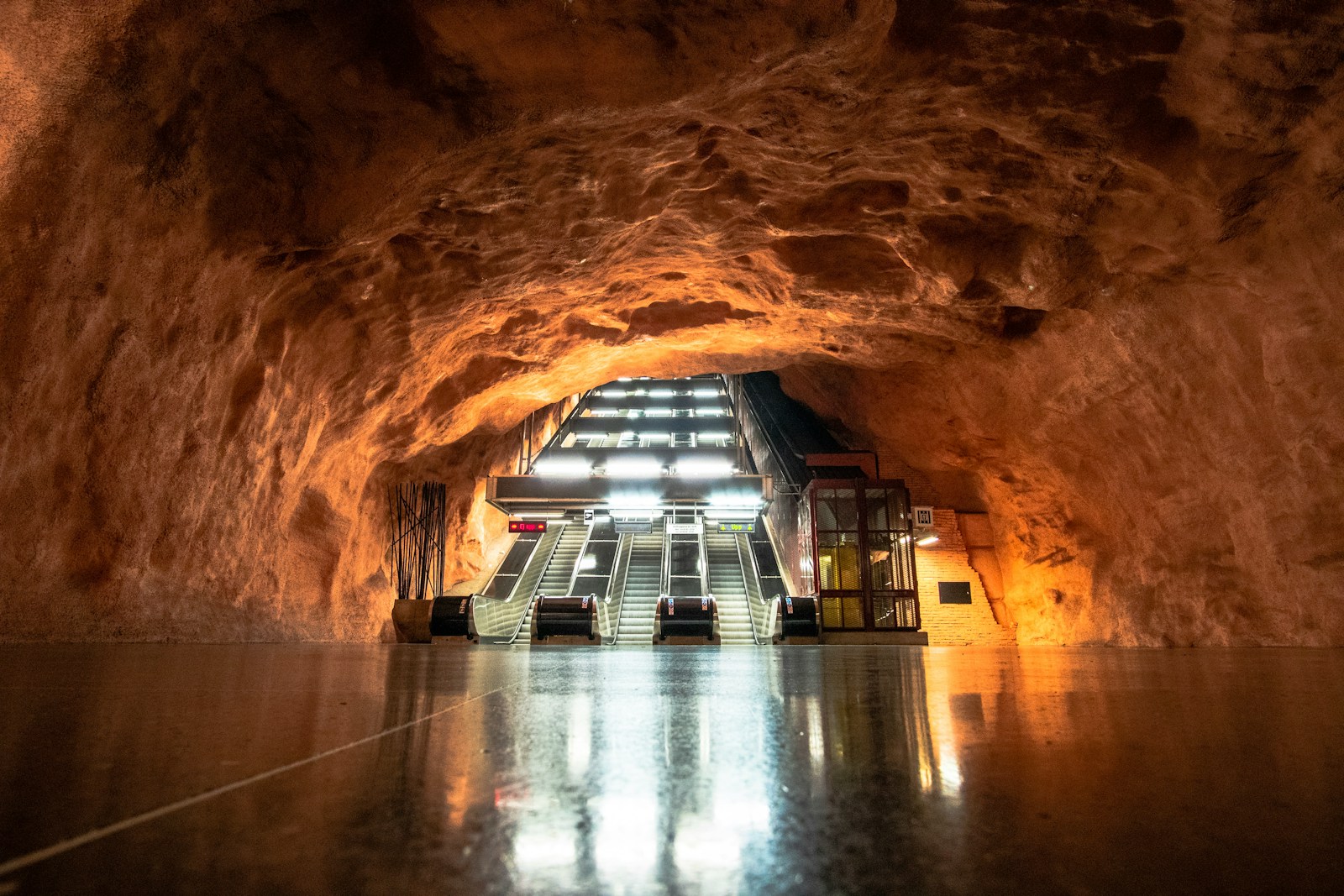
Life here means adjusting to a world without sunlight or windows. Residents carve their homes into the iron-rich sandstone at depths of about thirteen feet. Most leave the natural texture of the walls intact, giving each space a rough, earthy charm. Electricity provides the light that sunlight cannot.
Community life also thrives below the surface. A Serbian Orthodox Church sits underground, its sandstone walls decorated with carved icons. A shop called Underground Books operates from what was once a mine tunnel. Visitors can even stay in the Desert Cave Hotel, which offers rooms carved directly into the rock.
Locals use creativity to make the most of the space. Shelves and storage are carved straight into the walls. One household even has an underground swimming pool. Sports, however, stay above ground. The local football team can’t play home games during the summer, so residents play golf at night with glowing balls on a course without grass.
Read More: Secret Rooms and Hidden Passages in Famous Buildings
The Opal Legacy That Built This Community
Coober Pedy produces about seventy percent of the world’s precious opals. The gems formed more than 150 million years ago when the region was covered by sea. Mining remains tough and unpredictable work. Miners lower themselves down shafts up to sixty-five feet deep and navigate narrow tunnels by headlamp.
The town grew as miners from around the world settled here. After both World Wars, returning soldiers and European migrants came in search of opportunities. Today, tourism stands beside mining as the town’s main source of income. Visitors can explore active mines, stay underground, and even sift through leftover rubble in search of gems.
Life in Australia’s Hidden Desert City
Coober Pedy shows how people adapt when conditions demand creativity. What began as a means of survival has evolved into a way of living that seamlessly blends comfort, tradition, and resilience. Water remains costly since it’s pumped from the distant Great Artesian Basin, yet many residents wouldn’t dream of leaving.
Whether this town hints at how people might live in harsher futures is open to question. For now, Coober Pedy stands as quiet proof that with enough imagination and a bit of digging, humans can thrive almost anywhere.
Read More: Famous Inventions That Happened by Accident