
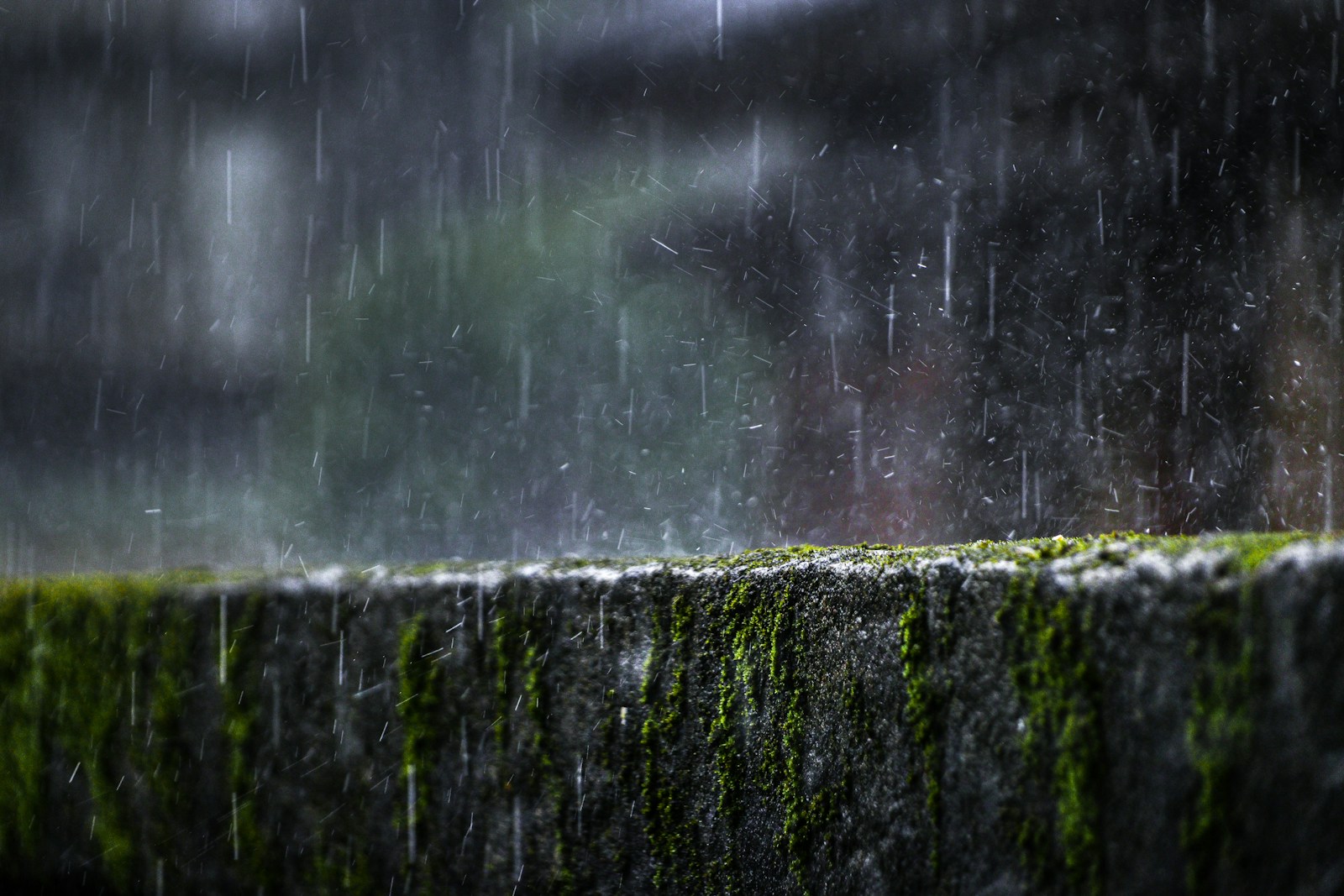
There’s something almost magical about the smell that fills the air just before or right after rain falls. It’s earthy, fresh, and somehow comforting; a scent that instantly transports many of us back to childhood memories or peaceful moments watching storms roll in.
You’ve probably noticed it hundreds of times but never knew it had a name. That distinctive rain smell isn’t just in your imagination, and it’s not actually the smell of water. It’s a complex chemical phenomenon with a poetic scientific name: petrichor.
But petrichor is more than just a fancy word. Understanding what creates this smell reveals fascinating insights about how our planet works, why certain bacteria evolved to produce specific compounds, and even why humans across virtually every culture seem to love this scent.
This article breaks down the science behind petrichor, explores why it triggers such powerful emotional responses, and reveals what’s really happening in the air when you catch that first whiff of approaching rain.
The Scientific Name for Rain’s Smell: Petrichor
The word “petrichor” was coined in 1964 by two Australian researchers, Isabel Joy Bear and Richard Thomas, who published their findings in the journal Nature. They were studying the chemistry of how rain interacts with dry soil and rocks.
The name itself is beautifully constructed from Greek roots: “petra,” meaning stone, and “ichor,” the fluid that flows in the veins of gods in Greek mythology. So petrichor literally translates to “the blood of stones”—a poetic description of the earthy essence released when rain touches the ground.
Bear and Thomas didn’t just name the phenomenon. They identified the specific chemical compounds responsible for it and explained the mechanism through which the scent becomes airborne. Their research revealed that what we’re actually smelling is a complex mixture of oils secreted by plants during dry periods, combined with compounds produced by soil-dwelling bacteria.
Before their work, this smell was recognized across cultures but lacked a scientific explanation. Now we understand that petrichor is the result of millions of years of evolutionary adaptation by both plants and microorganisms to survive in environments with irregular rainfall.
What Actually Creates That Rain Smell
Petrichor is a complex bouquet created by several distinct sources working together.
Plant Oils
During dry periods, certain plants secrete oils that accumulate on soil and rock surfaces. These oils serve as a protective mechanism, slowing seed germination and growth until moisture becomes available. When rain finally arrives, these oils are released into the air, contributing to that characteristic earthy aroma.
The specific composition of these oils varies depending on regional vegetation, which is why petrichor smells slightly different in a desert compared to a forest or grassland. Each ecosystem produces its own unique aromatic signature.
Geosmin: The Star Compound
The dominant player in petrichor’s scent profile is a chemical compound called geosmin. This molecule is produced by soil-dwelling bacteria of the genus Streptomyces, which are common in virtually all soil types worldwide.
Geosmin is remarkably potent. The human nose can detect it at concentrations as low as five parts per trillion, which is equivalent to detecting a single drop in 200 Olympic-size swimming pools. This extraordinary sensitivity suggests our ability to smell geosmin provided some evolutionary advantage, possibly signaling the presence of water sources to our ancestors.
The word “geosmin” comes from Greek as well: “geo” (earth) and “osme” (smell). It literally means “earth smell,” and it’s responsible for that musty, earthy quality that defines petrichor.
Ozone
Before rain arrives, you might notice a sharper, cleaner smell. That’s ozone (O₃), a molecule created when lightning splits oxygen molecules in the atmosphere. The electrical charge rearranges the atoms into this three-oxygen configuration.
Ozone has a distinct, almost metallic scent that some describe as “clean” or “fresh.” When you smell ozone, you’re detecting the approaching storm before the rain even begins. The scent travels ahead of the rain because the wind carries it from the storm system toward you.
Read More: Things That Are Older Than Earth’s Mountains
The Chemistry Behind Petrichor
Understanding how petrichor reaches your nose requires looking at the mechanics of raindrops hitting the ground.
When raindrops strike porous surfaces, such as soil or concrete, they don’t just splash. High-speed photography has revealed that the impact creates tiny air bubbles. As these bubbles burst, they launch microscopic aerosol particles into the air—similar to how champagne bubbles release aroma when a bottle is opened.
These aerosol particles carry the plant oils and geosmin compounds with them, distributing the scent through the air where it reaches our noses. This is why the smell is strongest right when rain begins falling on previously dry ground. Once the soil becomes saturated, fewer aerosols are produced, and the scent diminishes.
The intensity of petrichor also depends on the intensity of rainfall. Light to moderate rain produces the strongest scent because it maximizes aerosol production without oversaturating the soil too quickly. Heavy downpours can actually dilute and wash away the compounds before they become airborne.
Temperature matters too. Warmer temperatures increase the volatility of these aromatic compounds, making them more easily detectable. This is why petrichor often seems more intense during summer thunderstorms compared to cold winter rain.
Read More: Sounds You Can’t Hear — But Still Affect You
Why Humans Are Hardwired to Love This Scent
Across cultures and continents, people report positive emotional responses to petrichor. This near-universal appreciation isn’t coincidental—it likely has deep evolutionary roots.
Water Signaling
For our ancestors, the smell of rain signaled the end of drought and the arrival of life-sustaining water. In many environments, recognizing this scent from a distance could mean the difference between finding water sources and dying of thirst. Those who could detect geosmin more sensitively would have had survival advantages, passing this trait to subsequent generations.
This explains why humans can detect geosmin at such incredibly low concentrations. Our heightened sensitivity to this particular compound suggests it played an important role in human evolution.
Emotional and Memory Connections
The scent of rain often triggers powerful nostalgic responses. This happens because smell is processed through the olfactory bulb, which has direct connections to the amygdala and hippocampus—brain regions involved in emotion and memory.
This neural pathway is more direct than those of other senses, which is why smells can evoke memories and emotions more powerfully than sights or sounds. The smell of rain might instantly transport you to childhood summers, camping trips, or peaceful moments watching storms.
Cultural Significance
Many cultures have incorporated rain and its smell into spiritual and artistic traditions. In India, the first rain of the monsoon season is celebrated, and perfumers have created “mitti attar,” a traditional perfume that captures the essence of petrichor. Indigenous Australian cultures have long recognized and valued the scent of rain as a sign of renewal.
This cross-cultural appreciation suggests that our positive response to petrichor transcends learned behavior; it’s likely embedded in our biology.
When You Can (and Can’t) Smell Petrichor
Not every rainfall produces that distinctive petrichor scent. Several factors determine whether you’ll experience it.
Dry Conditions Are Essential
Petrichor is most noticeable after extended dry periods. The longer the drought, the more plant oils accumulate in the soil, and the more geosmin is produced by bacterial colonies preparing for the return of moisture. When rain finally arrives, the release of these concentrated compounds creates an intense aroma.
In regions with frequent rainfall, petrichor may be barely detectable because the compounds don’t have time to accumulate between rain events.
Rain Intensity Matters
Light to moderate rain produces the strongest petrichor because it optimizes the aerosol mechanism. The rain needs to be heavy enough to create the bubbles that launch aromatic particles into the air, but not so heavy that it immediately saturates the soil and stops the process.
Heavy downpours can actually suppress petrichor by diluting the compounds and preventing the formation of effective aerosols.
Surface Type Affects Intensity
Porous surfaces, such as soil, clay, and certain types of rock, produce stronger petrichor than non-porous surfaces, like asphalt or concrete. However, even urban environments can produce noticeable petrichor when rain hits dusty sidewalks or exposed soil in parks and gardens.
Temperature and Humidity
Warmer temperatures increase the volatility of aromatic compounds, making petrichor more noticeable. This is why spring and summer thunderstorms often produce more intense rain smells than winter precipitation.
High humidity before the rain can actually suppress petrichor because the air is already saturated with moisture, making it harder for additional aromatic particles to become airborne and reach your nose.
Other Rain-Related Smells You Might Be Noticing
While petrichor is the most famous scent associated with rain, it’s not the only one you might detect during or after rainfall.
Ozone (Pre-Rain)
As mentioned earlier, the sharp, metallic scent you smell before rain arrives is ozone. This smell indicates an approaching storm and is created by lightning in the distance. Not all rain events produce noticeable ozone; it’s most common with thunderstorms.
Wet Vegetation
After rain, you might notice a fresh, green smell from wet grass, leaves, and other vegetation. This is caused by various plant compounds being released when water interacts with leaf surfaces. These chemicals are different from the dry-period oils that contribute to petrichor.
Mold and Mildew
In humid climates or areas with poor drainage, you might detect musty or unpleasant smells after rain. This is caused by the growth of mold and mildew, which thrive in damp conditions. Unlike petrichor’s pleasant earthiness, mold smells are sharp and often described as stale or sour.
Urban Smells
In cities, rain can release a mix of odors from pollution, garbage, and urban debris. These smells can mask or compete with petrichor, which is why rain in natural settings often smells more pleasant than rain in urban environments.
Final Thoughts
The next time you catch that distinctive earthy smell before or after rain, you’ll know you’re experiencing petrichor, a complex chemical phenomenon involving plant oils, bacterial compounds, and the physics of raindrops.
This scent we’ve been noticing for thousands of years finally got its name in 1964, but its significance goes far deeper than simple chemistry. Petrichor represents the intersection of biology, geology, atmospheric science, and human evolution. It’s a reminder that even the most common sensory experiences can reveal profound connections between us and the natural world.
Our powerful emotional response to this smell isn’t arbitrary. It’s likely the echo of ancestral memories when rain meant survival, encoded in our biology through millions of years of evolution. When you breathe in petrichor, you’re sharing an experience with countless generations who came before you, all responding to the same molecular signals that meant water, life, and renewal.
So the next time rain approaches, step outside. Take a deep breath. And appreciate that you’re not just smelling rain; you’re experiencing one of nature’s most elegant chemical conversations —a dialogue between earth, water, and air that has been unfolding for millions of years.
Read More: Plants That Thrive in Extreme Environments