
Every country and even every state has a few bizarre laws that seem too strange to be real. Many were written centuries ago for reasons that made sense at the time but now make us laugh.
Other laws remain in effect simply because no one has ever bothered to repeal them. Here are ten of the strangest laws still technically on the books around the world.
It’s Illegal to Handle Salmon Suspiciously (United Kingdom)
Yes, this is real. Under the Salmon Act of 1986, it’s illegal to “handle salmon in suspicious circumstances.” The law was intended to stop black-market fish trading, but today it sounds more like a Monty Python sketch.
Don’t Feed the Pigeons (Venice, Italy)
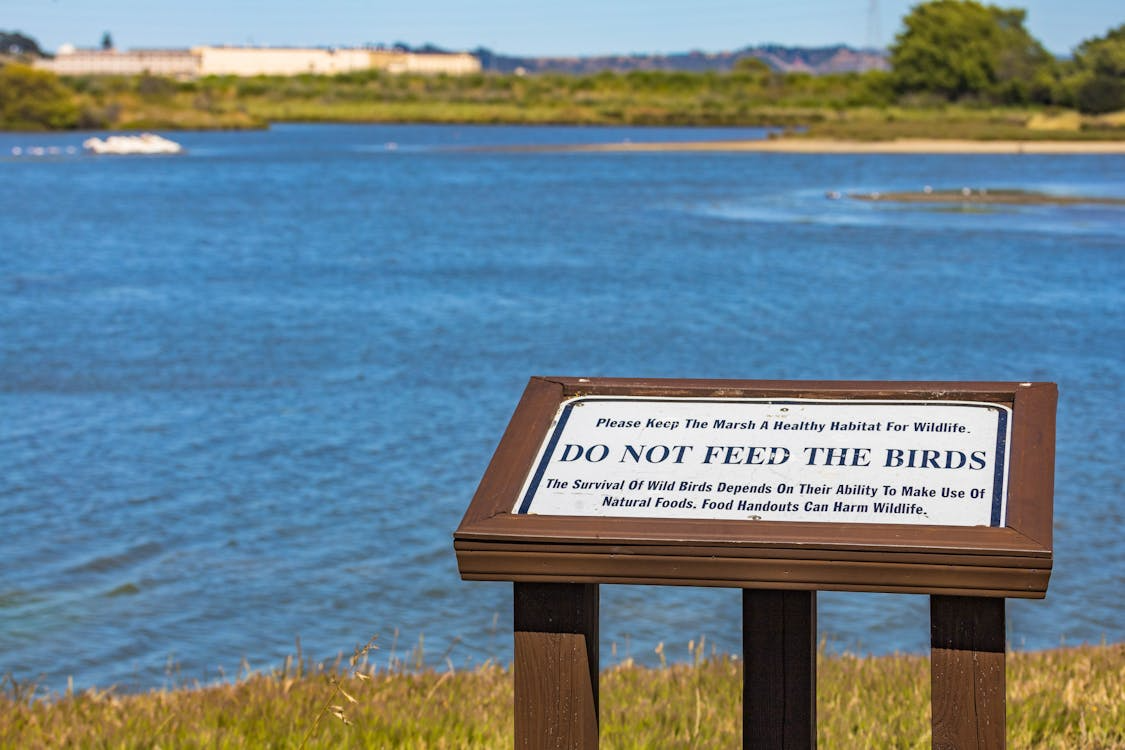
Venice banned feeding pigeons in 2008 to protect its historic buildings from the droppings and damage caused by them. Tourists caught tossing crumbs in St. Mark’s Square can face fines of up to €700. The pigeons, however, have yet to pay attention.
For more head-tilting curiosities, see Strange Phenomena Scientists Still Can’t Explain.
No Chewing Gum Allowed (Singapore)
Since 1992, Singapore has enforced a strict ban on the sale and importation of chewing gum. The law was passed to keep streets and subways clean after people continued to stick gum under seats and on doors. Notable exceptions exist for nicotine and dental gum, but only if prescribed by a doctor.
No Whistling at Night (Japan)
In some Japanese towns, whistling at night is discouraged by local ordinance. The superstition behind it? Whistling after dark was believed to summon snakes, or thieves, depending on who you ask.
It’s Illegal to Forget Your Wife’s Birthday (Samoa)
In Samoa, forgetting your wife’s birthday can get you in trouble with more than just the couch. The law reportedly exists to promote domestic harmony. While enforcement is rare, it’s still wise to set a reminder—just in case.
Check out Everyday Words That Used to Mean Something Totally Different for interesting vocabulary.
No Reincarnation Without Permission (China, Tibet)
A 2007 Chinese regulation requires Buddhist monks to obtain government approval before reincarnating. The law was meant to control the recognition of spiritual leaders, but it remains one of the most unusual pieces of bureaucracy on Earth.
Don’t Die in the Houses of Parliament (United Kingdom)
It’s a long-standing myth, but technically accurate under old British law, that dying inside Parliament is illegal because anyone who dies there is entitled to a state funeral. No one has been arrested for it yet, but it’s better safe than sorry.
You Must Walk Your Dog Daily (Italy)
In Turin, Italy, owners are required to walk their dogs at least once a day or face a fine of up to €500. The city’s animal welfare laws are among the strictest in Europe, ensuring that pets get the exercise and respect they deserve.
see How Much Your Bones Are Worth (Legally Speaking) for some macabre but legal facts.
No High Heels at Ancient Sites (Greece)
Visitors to ancient Greek monuments, such as the Acropolis, are prohibited from wearing high heels. The reasoning is practical: sharp heels can damage delicate stonework. Sensible shoes only. History thanks you.
It’s Illegal to Wear Winnie the Pooh Shirts (Poland)
Some Polish playgrounds have banned images of Winnie the Pooh because the bear doesn’t wear pants. Local officials found the character’s “half-naked” appearance inappropriate for children’s spaces. Sorry, Pooh, you’re too edgy for Eastern Europe.
Explore Secret Rooms and Hidden Passages in Famous Buildings for a tour of real-but-hidden curiosities.
The Spirit of the Law
While most of these laws aren’t enforced today, they reveal how culture, superstition, and practicality shape societies. Whether born from good intentions or sheer oddity, they remind us that history has a funny way of sticking around, and sometimes literally, in the law books.